No. For most modern vehicles with factory clear coats, automatic car washes are generally safe when properly maintained and used as intended. Most visible paint issues come from friction with trapped dirt or from existing surface damage, not from the routine process of automatic washing itself.
Modern vehicles are built for regular cleaning. Problems usually stem from buildup, neglected surfaces, or improper handling rather than a tunnel wash.
Most major automakers allow commercial automatic car washes for vehicles with standard factory paint. Owner resources focus on practical cautions rather than warnings against tunnel systems.
Guidance typically centers on specific vehicle conditions.
Modern paint systems are durable. Routine automatic washing is treated as normal maintenance for standard finishes.
Concerns about car wash damage often trace back to how friction works on a dirty surface.
Water and soap alone do not create swirl marks. Contact combined with debris is the usual cause.
Many drivers remember older equipment or have seen visible swirl patterns and assume the system itself caused the damage. In most cases, the real issue is trapped grit moving across the surface.
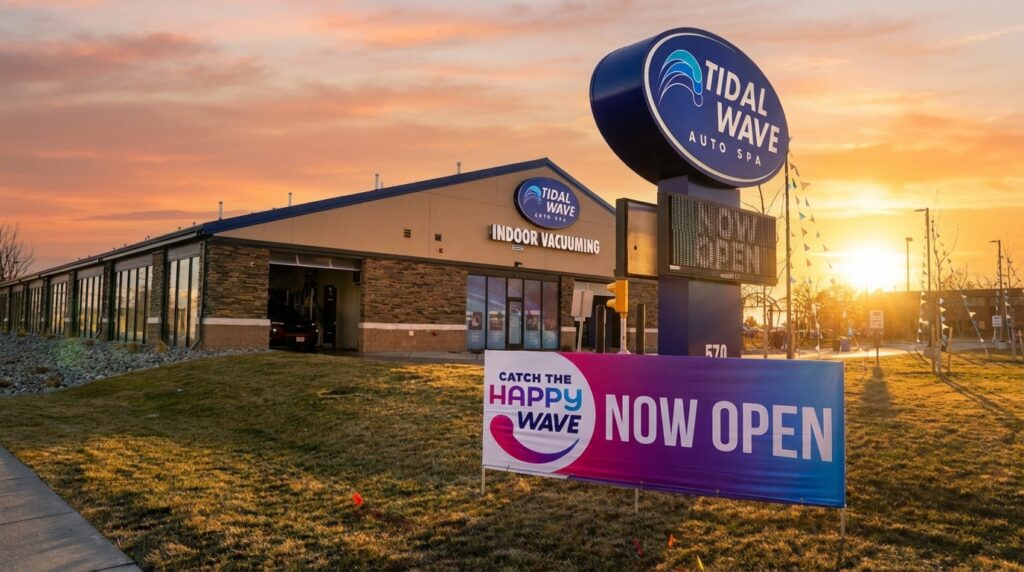
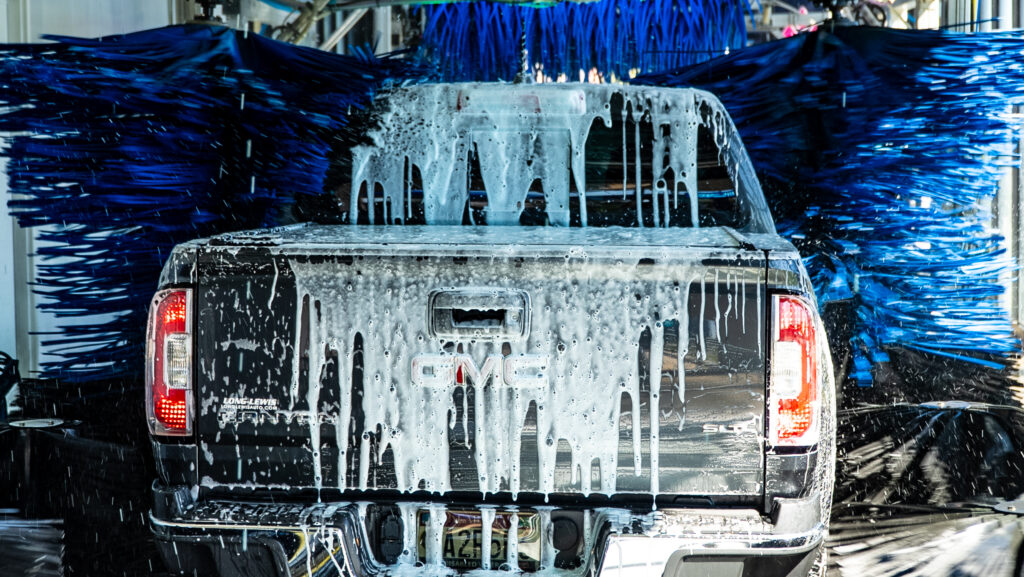
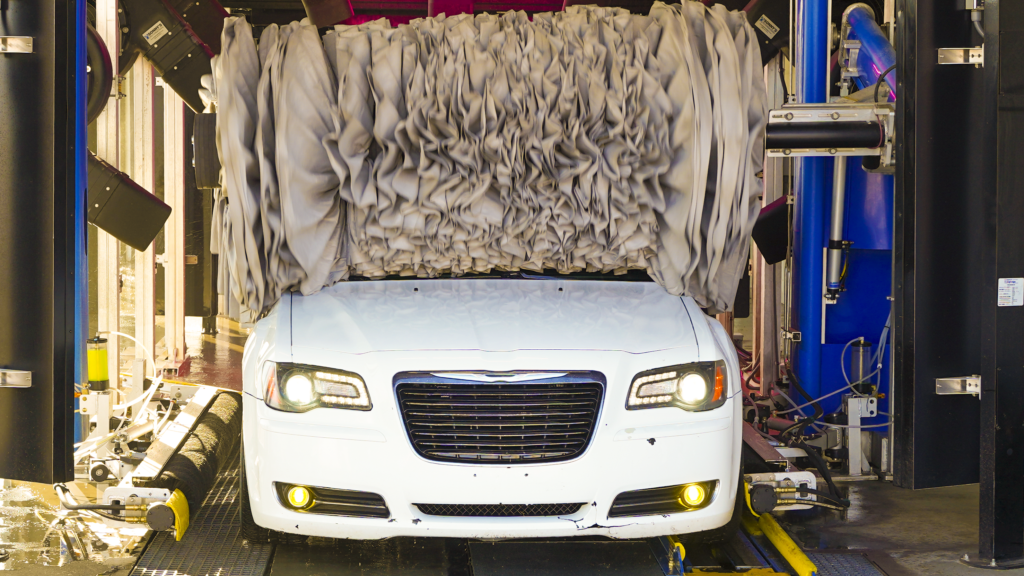
Modern automatic systems are designed to clean efficiently while limiting unnecessary abrasion.
Drivers who want to understand different wash formats can review comprehensive car wash services for details on available features. At Tidal Wave Auto Spa®, wash cycles are structured around the same principles discussed above: controlled surface contact, pre-soak application, and consistent rinse stages.
Design and maintenance both matter. Modern systems are not inherently harmful to standard factory finishes.
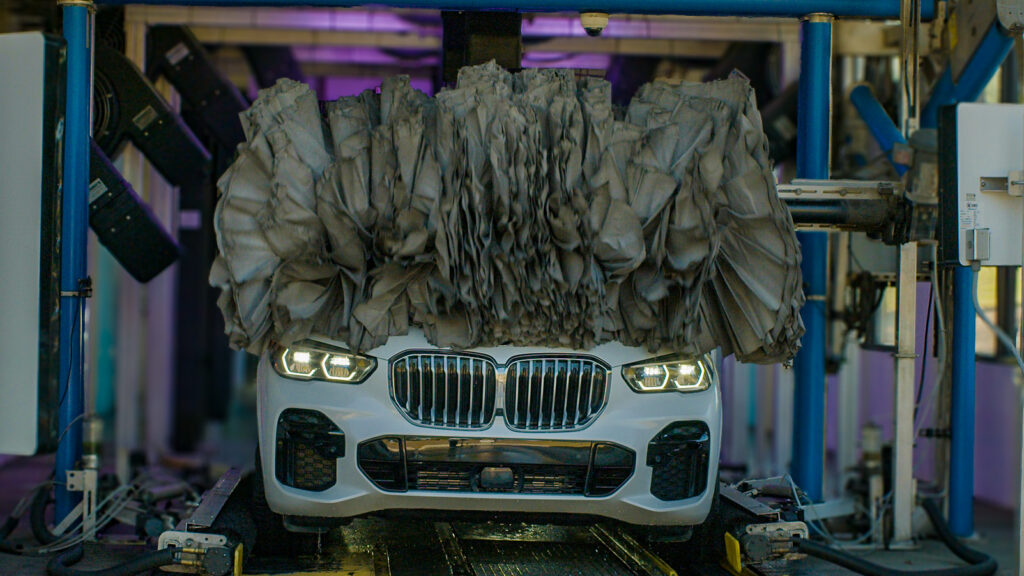
Touchless washes rely on water pressure and cleaning solution rather than physical contact. Soft cloth systems use gentle materials to help lift buildup from the surface.
There is no universal winner. Condition, residue levels, and facility upkeep all influence the outcome.
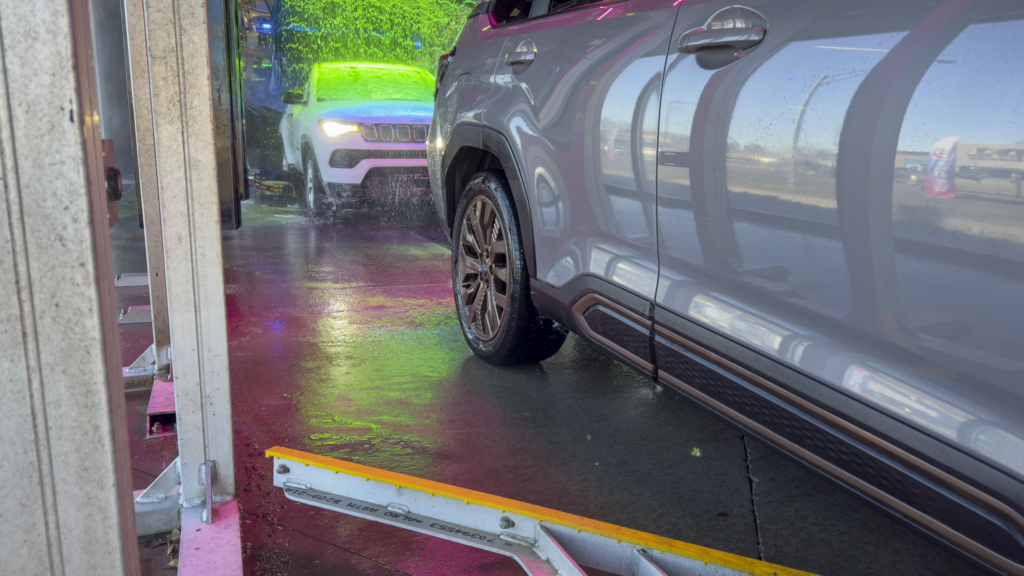
Car washing supports prevention and cosmetic upkeep. It does not reverse existing paint damage.
Washing can improve appearance. It cannot repair structural surface damage.
For most drivers, this question connects to routine more than risk.
Regular cleaning removes buildup before it has a chance to increase surface abrasion.
Vehicle maintenance includes understanding how often you should wash your car to prevent unnecessary residue buildup
At Tidal Wave Auto Spa®, our washes follow consistent processes designed for everyday upkeep of standard factory finishes. That consistency matters because predictable wash stages help remove buildup before debris sits long enough to increase the risk of surface abrasion.
Many drivers prefer a predictable routine rather than occasional deep cleaning. Some choose recurring visits through options like signing up for a car wash membership near you, so buildup is removed on a regular schedule instead of accumulating over time.
Results vary by climate, commute length, parking environment, and seasonal exposure. A vehicle parked in a garage will experience different buildup than one driven daily on treated winter roads.

Not every extra serves the same purpose. Some are mainly about appearance, while others help protect your vehicle based on driving conditions and the type of finish you choose.
Regular cleaning remains the foundation of routine maintenance, according to Consumer Reports. Beyond that, the right extra depends on what you are trying to address, whether that is winter road salt, brake dust, water spotting, or added surface protection between washes.
Drivers should choose extras based on climate, road conditions, and maintenance goals. A routine wash is still the core of upkeep, but protective finishes can make sense for drivers who want added help maintaining gloss and shielding the surface from everyday buildup.
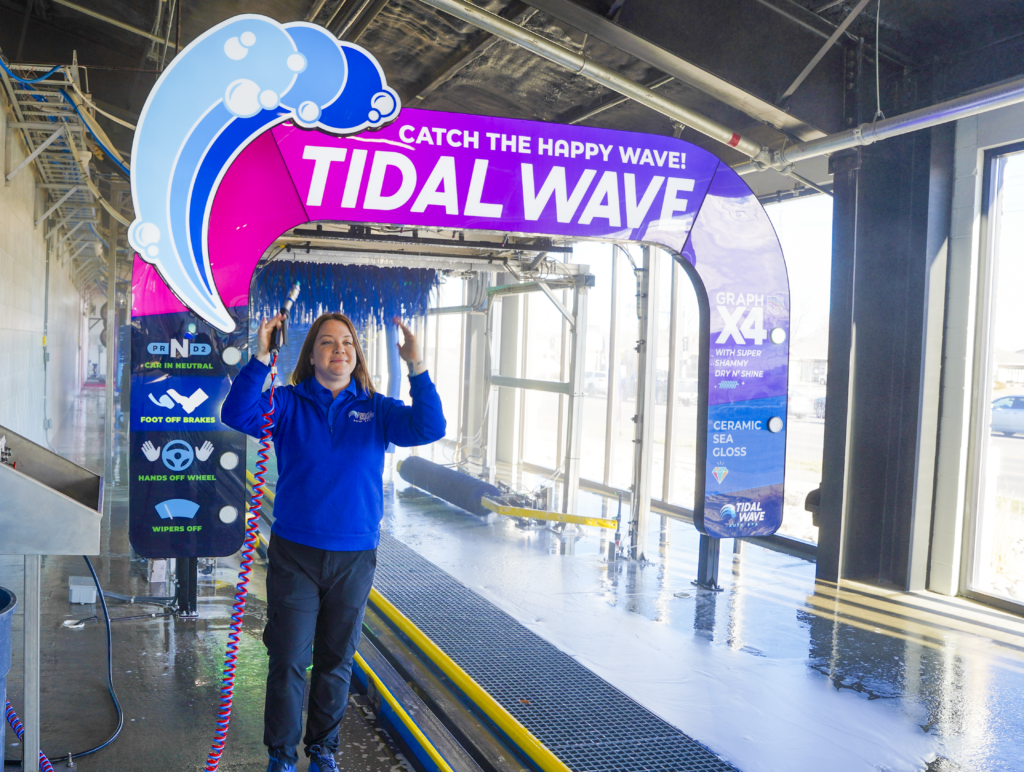
Automatic car washes are not inherently bad for your car. Most modern vehicles are built for routine cleaning when equipment is properly maintained.
Paint issues usually relate to friction with trapped debris or preexisting damage. A steady, reasonable cleaning routine supports appearance over time without promising perfection.
No. For most modern vehicles with factory clear coats, automatic car washes are generally safe when properly maintained and used as intended. Most visible paint issues come from friction with trapped dirt or from existing surface damage, not from the routine process of automatic washing itself.
Modern vehicles are built for regular cleaning. Problems usually stem from buildup, neglected surfaces, or improper handling rather than a tunnel wash.
Most major automakers allow commercial automatic car washes for vehicles with standard factory paint. Owner resources focus on practical cautions rather than warnings against tunnel systems.
Guidance typically centers on specific vehicle conditions.
Modern paint systems are durable. Routine automatic washing is treated as normal maintenance for standard finishes.
Concerns about car wash damage often trace back to how friction works on a dirty surface.
Water and soap alone do not create swirl marks. Contact combined with debris is the usual cause.
Many drivers remember older equipment or have seen visible swirl patterns and assume the system itself caused the damage. In most cases, the real issue is trapped grit moving across the surface.
Modern automatic systems are designed to clean efficiently while limiting unnecessary abrasion.
Drivers who want to understand different wash formats can review comprehensive car wash services for details on available features. At Tidal Wave Auto Spa®, wash cycles are structured around the same principles discussed above: controlled surface contact, pre-soak application, and consistent rinse stages.
Design and maintenance both matter. Modern systems are not inherently harmful to standard factory finishes.
Touchless washes rely on water pressure and cleaning solution rather than physical contact. Soft cloth systems use gentle materials to help lift buildup from the surface.
There is no universal winner. Condition, residue levels, and facility upkeep all influence the outcome.
Car washing supports prevention and cosmetic upkeep. It does not reverse existing paint damage.
Washing can improve appearance. It cannot repair structural surface damage.
For most drivers, this question connects to routine more than risk.
Regular cleaning removes buildup before it has a chance to increase surface abrasion.
Vehicle maintenance includes understanding how often you should wash your car to prevent unnecessary residue buildup
At Tidal Wave Auto Spa®, our washes follow consistent processes designed for everyday upkeep of standard factory finishes. That consistency matters because predictable wash stages help remove buildup before debris sits long enough to increase the risk of surface abrasion.
Many drivers prefer a predictable routine rather than occasional deep cleaning. Some choose recurring visits through options like signing up for a car wash membership near you, so buildup is removed on a regular schedule instead of accumulating over time.
Results vary by climate, commute length, parking environment, and seasonal exposure. A vehicle parked in a garage will experience different buildup than one driven daily on treated winter roads.
Not every extra serves the same purpose. Some are mainly about appearance, while others help protect your vehicle based on driving conditions and the type of finish you choose.
Regular cleaning remains the foundation of routine maintenance, according to Consumer Reports. Beyond that, the right extra depends on what you are trying to address, whether that is winter road salt, brake dust, water spotting, or added surface protection between washes.
Drivers should choose extras based on climate, road conditions, and maintenance goals. A routine wash is still the core of upkeep, but protective finishes can make sense for drivers who want added help maintaining gloss and shielding the surface from everyday buildup.
Automatic car washes are not inherently bad for your car. Most modern vehicles are built for routine cleaning when equipment is properly maintained.
Paint issues usually relate to friction with trapped debris or preexisting damage. A steady, reasonable cleaning routine supports appearance over time without promising perfection.