How Often Should You Wash Your Car? A Simple Guide for Drivers


Knowing how often to wash your car should be easy, but it rarely feels that way. Some weeks, your car looks fine. Other weeks, it feels dirty after just a few days. Weather, roads, and daily driving all play a role, which is why there is no single answer for everyone. The quick answer is that most drivers should wash their car every one to two weeks. That timing works well for everyday driving and normal conditions. You may need to wash more often during winter, pollen season, or whenever you notice visible grime building up.

This guide explains why that schedule works, what causes it to change, and how to tell when your car needs attention sooner. We will also touch on interior care, since daily life often creates messes inside faster than expected. If staying consistent feels challenging, knowing your nearest car wash can make routine care easier to maintain.

Why wash frequency changes from driver to driver

How often you should wash your car depends on what it goes through each week. Weather, driving habits, and parking conditions all contribute to how quickly grime builds up. Weather and seasonal conditions

Each season brings its own kind of mess. Some buildup happens slowly. Other types appear almost overnight.

  • Winter road salt and slush collect quickly on lower panels.
  • Spring pollen can coat your car in one day.
  • Rain can leave residue, especially after dry weather.
  • Seasonal changes often shorten the time between washes.

If you can see buildup, it is time to wash. The calendar matters less than what is on the car.

Where and how you drive

Your driving routine affects how often your car gets dirty. Distance and road type matter more than the vehicle itself.

  • Highway driving leads to bugs and road film.
  • Dirt roads and construction areas add dust and grit.
  • Long or daily commutes increase wash needs.
  • Short trips still create buildup in bad weather.

Where your car is parked

Where your car sits between drives also plays a role.

  • Parked Outside: Outdoor parking leads to faster buildup.
  • Near Trees: Sap, pollen, and bird droppings collect quickly.
  • Garage Kept: Indoor parking still allows dust and a light film to accumulate between drives.
  • Visible Film: Dull paint or streaks signal it is time.

A simple wash schedule you can follow

You do not need a perfect plan. A simple rhythm works better than rigid rules. Begin with a baseline and adjust it as conditions change.

Typical driving and mild conditions

For many drivers, this schedule fits most weeks.

  • Wash every 10 to 14 days.
  • Remove light grime before it sticks.
  • Keep your car looking clean between washes.

Winter, high mess, or heavy use

Some weeks call for more frequent washing. Winter and busy lifestyles are common reasons.

Road salt and slush build up quickly. According to AAA, experts recommend washing your car at least every two weeks, and many drivers benefit from washing even more frequently during periods of heavy salt use.

  • Weekly washing can make sense when roads are heavily treated.
  • Wash sooner when you see white film along lower panels.
  • Messy weeks often need earlier resets.

As conditions prompt you to wash your car more frequently, many drivers discover car wash memberships nearby as a way to maintain without overthinking each visit.

Does washing your car often cause damage

Some drivers worry that washing their car too often can harm it. However, modern vehicles are built for regular washing. The real problem is allowing dirt, salt, and residue to sit for extended periods. That buildup is harder to remove and causes more issues over time. Most problems come from rough tools or poor methods, not from washing every week.

Interior cleaning matters too

Exterior washing gets most of the attention, but interior mess builds up just as fast, if not faster. Daily driving adds dirt, crumbs, and dust even when the outside looks clean.

Interior care helps your car feel clean, not just look clean.

Everyday interior use adds up

Small habits create a mess without you noticing.

  • Food wrappers and cups collect quickly.
  • Shoes track in dirt and grit.
  • Bags and gear leave dust behind.
  • Light mess builds up between deep cleans.

Kids, pets, and active lifestyles

Some drivers need more frequent interior cleanups.

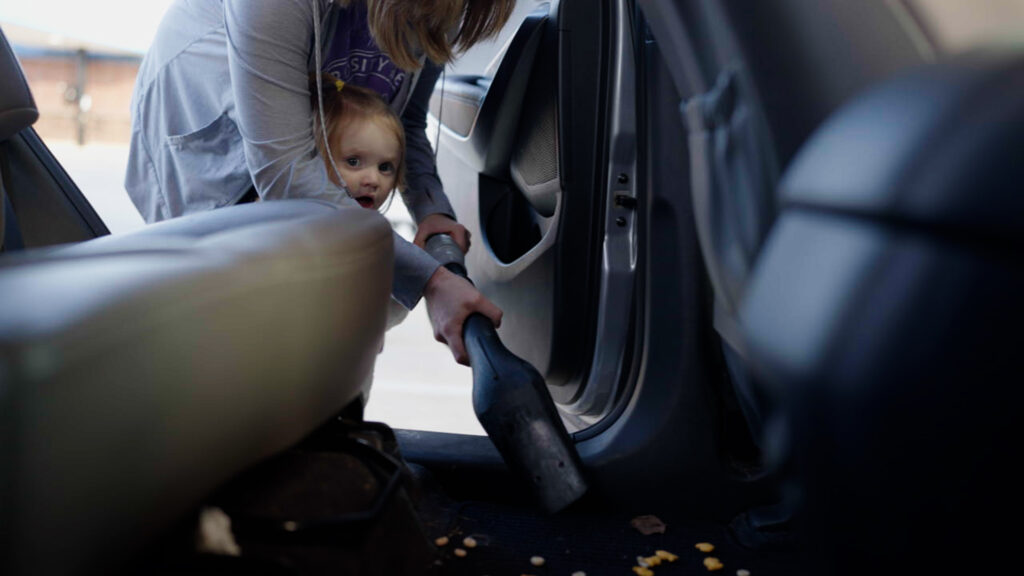
  • Kids: Snacks, crumbs, and car seats create a steady mess.
  • Pets: Dog hair, sand, and muddy paws add buildup.
  • Sports Gear: Dirt and moisture transfer easily.
  • Outdoor Trips: Parks and trails bring debris inside.

A practical interior rhythm

You do not need to deep clean every week. Small resets make a big difference.

  • Do quick cleanups after everyday messes, such as crumbs, spills, or pet hair.
  • Vacuum more often during busy weeks.
  • Plan deeper interior cleaning a few times per year.

Why regular washing is easier than waiting too long

Putting off washes usually makes the job harder. Regular washing spreads the effort out and keeps things manageable.

  • Dirt is easier to remove before it sticks.
  • Your car stays cleaner between visits.
  • Interior mess feels easier to control.

When washing becomes part of your routine, ease matters. That is where personable car wash services make a difference as they help turn regular care into something you can fit into a normal week.

How modern car washes support a routine

Today’s car washes are designed for repeat visits. They are quick, predictable, and easy to fit into a normal schedule.

  • Visits take less time than washing at home.
  • Results stay consistent from wash to wash.
  • Exterior washing pairs easily with interior vacuum time.
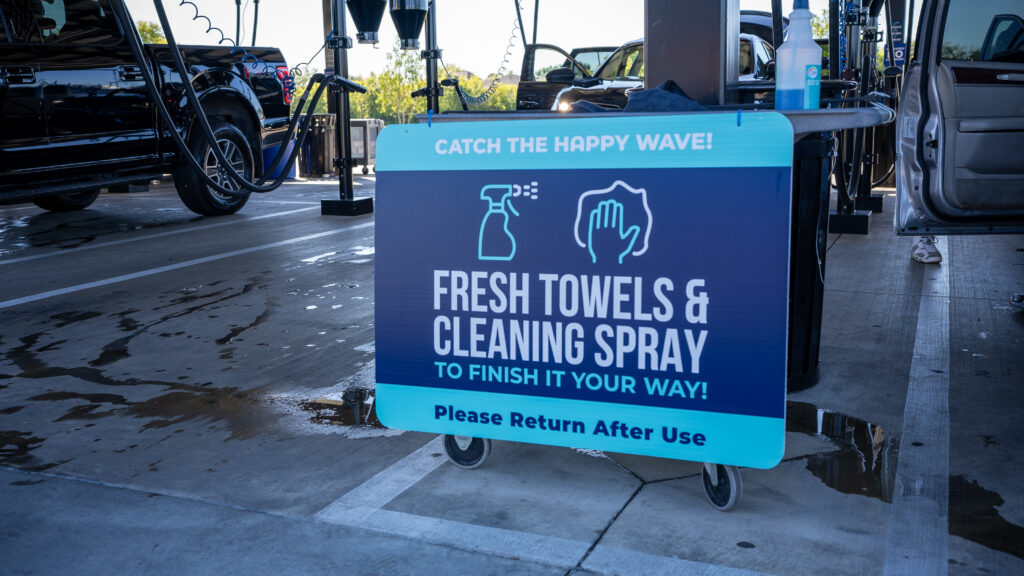
  • Interior areas like dashboards and panels can be wiped down using provided cloths and sprays.
  • Busy weeks feel easier to manage.

Where memberships fit into a regular wash routine

Many drivers already wash more than twice a month. Weather and daily life often push wash frequency higher without planning.

Once you are washing that often, understanding the benefits of your car wash membership helps you decide whether that approach fits your driving habits and schedule.

  • Frequent washers see the most value.
  • Weekly or biweekly routines feel easier to maintain.
  • Messy seasons cause less stress.
  • Daily access allows flexibility when conditions change.

Bringing it all together: find your right rhythm

Start with a one to two week baseline. Wash sooner when you see salt, pollen, or visible grime. Add quick interior cleanups when life gets messy.

You do not need a perfect schedule. You need a routine that fits your driving and your week. Consistency keeps your car cleaner and makes car care easier to manage.

  • Why wash frequency changes from driver to driver

    How often you should wash your car depends on what it goes through each week. Weather, driving habits, and parking conditions all contribute to how quickly grime builds up. Weather and seasonal conditions

    Each season brings its own kind of mess. Some buildup happens slowly. Other types appear almost overnight.

    • Winter road salt and slush collect quickly on lower panels.
    • Spring pollen can coat your car in one day.
    • Rain can leave residue, especially after dry weather.
    • Seasonal changes often shorten the time between washes.

    If you can see buildup, it is time to wash. The calendar matters less than what is on the car.

  • Where and how you drive

    Your driving routine affects how often your car gets dirty. Distance and road type matter more than the vehicle itself.

    • Highway driving leads to bugs and road film.
    • Dirt roads and construction areas add dust and grit.
    • Long or daily commutes increase wash needs.
    • Short trips still create buildup in bad weather.
  • Where your car is parked

    Where your car sits between drives also plays a role.

    • Parked Outside: Outdoor parking leads to faster buildup.
    • Near Trees: Sap, pollen, and bird droppings collect quickly.
    • Garage Kept: Indoor parking still allows dust and a light film to accumulate between drives.
    • Visible Film: Dull paint or streaks signal it is time.
  • A simple wash schedule you can follow

    You do not need a perfect plan. A simple rhythm works better than rigid rules. Begin with a baseline and adjust it as conditions change.

    Typical driving and mild conditions

    For many drivers, this schedule fits most weeks.

    • Wash every 10 to 14 days.
    • Remove light grime before it sticks.
    • Keep your car looking clean between washes.
  • Winter, high mess, or heavy use

    Some weeks call for more frequent washing. Winter and busy lifestyles are common reasons.

    Road salt and slush build up quickly. According to AAA, experts recommend washing your car at least every two weeks, and many drivers benefit from washing even more frequently during periods of heavy salt use.

    • Weekly washing can make sense when roads are heavily treated.
    • Wash sooner when you see white film along lower panels.
    • Messy weeks often need earlier resets.

    As conditions prompt you to wash your car more frequently, many drivers discover car wash memberships nearby as a way to maintain without overthinking each visit.

  • Does washing your car often cause damage

    Some drivers worry that washing their car too often can harm it. However, modern vehicles are built for regular washing. The real problem is allowing dirt, salt, and residue to sit for extended periods. That buildup is harder to remove and causes more issues over time. Most problems come from rough tools or poor methods, not from washing every week.

  • Interior cleaning matters too

    Exterior washing gets most of the attention, but interior mess builds up just as fast, if not faster. Daily driving adds dirt, crumbs, and dust even when the outside looks clean.

    Interior care helps your car feel clean, not just look clean.

    Everyday interior use adds up

    Small habits create a mess without you noticing.

    • Food wrappers and cups collect quickly.
    • Shoes track in dirt and grit.
    • Bags and gear leave dust behind.
    • Light mess builds up between deep cleans.
  • Kids, pets, and active lifestyles

    Some drivers need more frequent interior cleanups.

    • Kids: Snacks, crumbs, and car seats create a steady mess.
    • Pets: Dog hair, sand, and muddy paws add buildup.
    • Sports Gear: Dirt and moisture transfer easily.
    • Outdoor Trips: Parks and trails bring debris inside.
  • A practical interior rhythm

    You do not need to deep clean every week. Small resets make a big difference.

    • Do quick cleanups after everyday messes, such as crumbs, spills, or pet hair.
    • Vacuum more often during busy weeks.
    • Plan deeper interior cleaning a few times per year.
  • Why regular washing is easier than waiting too long

    Putting off washes usually makes the job harder. Regular washing spreads the effort out and keeps things manageable.

    • Dirt is easier to remove before it sticks.
    • Your car stays cleaner between visits.
    • Interior mess feels easier to control.

    When washing becomes part of your routine, ease matters. That is where personable car wash services make a difference as they help turn regular care into something you can fit into a normal week.

  • How modern car washes support a routine

    Today’s car washes are designed for repeat visits. They are quick, predictable, and easy to fit into a normal schedule.

    • Visits take less time than washing at home.
    • Results stay consistent from wash to wash.
    • Exterior washing pairs easily with interior vacuum time.
    • Interior areas like dashboards and panels can be wiped down using provided cloths and sprays.
    • Busy weeks feel easier to manage.
  • Where memberships fit into a regular wash routine

    Many drivers already wash more than twice a month. Weather and daily life often push wash frequency higher without planning.

    Once you are washing that often, understanding the benefits of your car wash membership helps you decide whether that approach fits your driving habits and schedule.

    • Frequent washers see the most value.
    • Weekly or biweekly routines feel easier to maintain.
    • Messy seasons cause less stress.
    • Daily access allows flexibility when conditions change.
  • Bringing it all together: find your right rhythm

    Start with a one to two week baseline. Wash sooner when you see salt, pollen, or visible grime. Add quick interior cleanups when life gets messy.

    You do not need a perfect schedule. You need a routine that fits your driving and your week. Consistency keeps your car cleaner and makes car care easier to manage.