Winter changes how dirt and grime impact your car. Road salt, slush, and spray kicked up from wet winter roads stick faster and stay longer. That is why many drivers ask how often they should wash their car once cold weather arrives.

Winter changes how dirt and grime impact your car. Road salt, slush, and spray kicked up from wet winter roads stick faster and stay longer. That is why many drivers ask how often they should wash their car once cold weather arrives.

The short answer is simple. Most drivers should wash their car every 10 to 14 days in winter. If you often drive on heavily treated, slushy roads, weekly washes usually make more sense.
You may need to wash sooner when:
But there is more to it than that.
If you want a clear answer without guesswork, this guide provides a straightforward explanation. You will learn a simple winter wash schedule, what changes it, and how to keep both the outside and inside of your car cleaner through the season. If you are planning ahead, it also helps to know where to find your nearest car wash, so staying consistent feels easy instead of inconvenient.

For most winter drivers, every 10 to 14 days is a solid baseline. This timing helps remove road salt before it has time to accumulate.
Some drivers need to wash their cars more frequently. Others can stretch the schedule slightly. Winter wash frequency depends on exposure, not the calendar.
Many drivers rely on locations with extensive car wash services, making winter washing simple, even when conditions change from week to week.
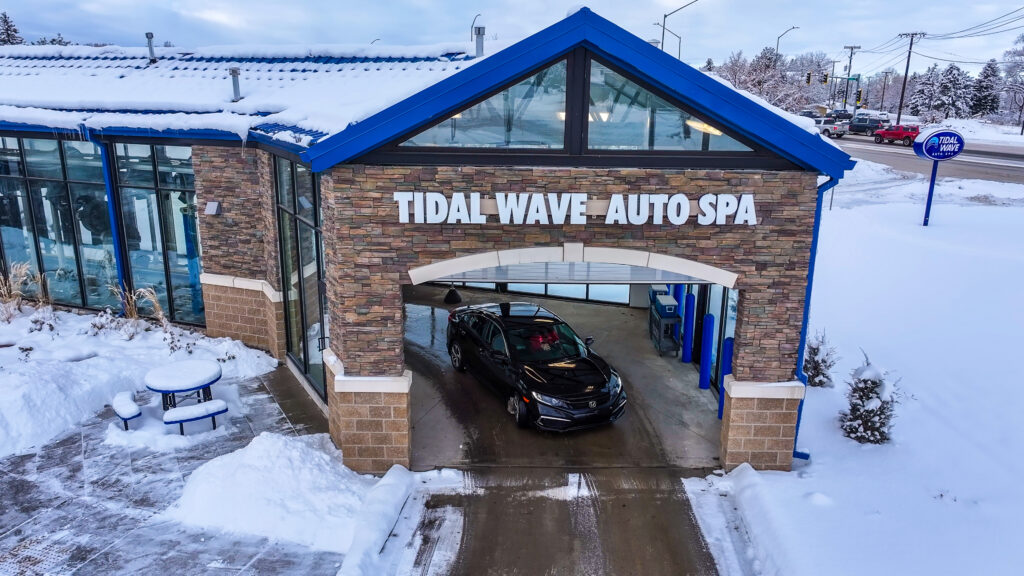
Several everyday factors affect how often your car needs attention during winter.
Drivers who want predictable access through the winter often choose to research car wash memberships near them. At Tidal Wave, that option is the Tidal Wave Clean Club®, which supports frequent washing.
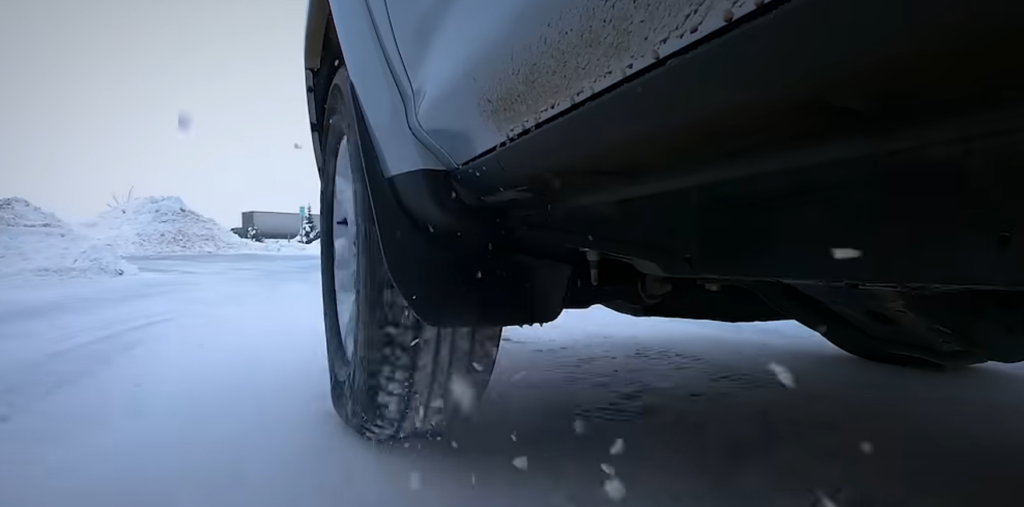
Road salt works by lowering the freezing point of water. Once it dissolves, it turns into spray that coats your car as you drive.
That salty moisture clings to metal, seams, and tight spaces. When it stays wet, it increases corrosion over time. The issue is not just how dirty the car looks. It is how long salt is allowed to sit.
Salt buildup does not stop at the paint. It collects underneath the car and in areas that do not dry quickly, which is why winter washing focuses on timely removal.

Some areas of your car collect winter buildup more quickly than others and require extra attention.
If the lower half of your car looks dirty, the underside usually needs cleaning, too.

Many drivers hesitate to wash their car once winter arrives. The usual concern is water freezing in doors, locks, or seals after a wash. In the past, that meant waiting for warmer days or skipping washes altogether.
Modern car washes have changed that.
Today, winter washing is less about finding the perfect temperature and more about removing salt when it shows up. Professional washes are designed to handle cold-weather conditions, including quick drying after the wash.
At Tidal Wave Auto Spa, powerful dryers remove most surface water before you leave the wash. That helps reduce leftover moisture around doors, mirrors, and trim, which is often what causes winter hesitation in the first place.
Here is what that means for winter washing:
There will still be days when extreme cold makes washing less practical. That is normal. The goal is not perfection. The goal is simple. Remove salt when conditions allow, even if the wash is quick. Consistent removal matters more than waiting for ideal weather.
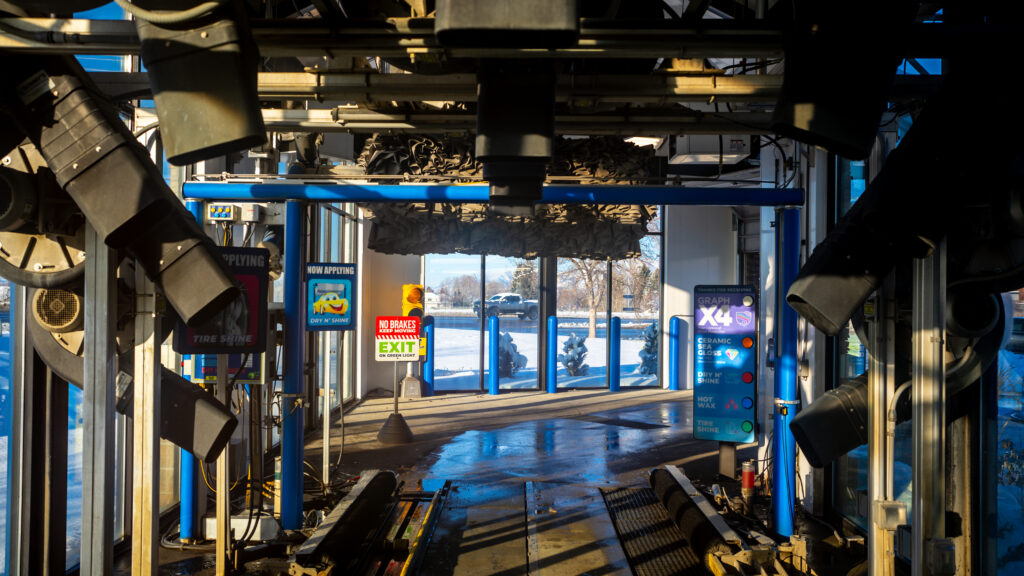
Cold weather makes at-home washing harder for many drivers. Limited space, cold air, and freezing surfaces can be obstacles.
For drivers who want a deeper understanding of how modern systems handle winter conditions, understanding car wash technology explains why coverage and consistency matter.

Use this checklist to keep winter washing easy and consistent:
This trigger-based approach works well as conditions change throughout the season.

Some winter situations call for washing sooner than planned.
In these cases, even a quick rinse helps remove buildup before it sits.
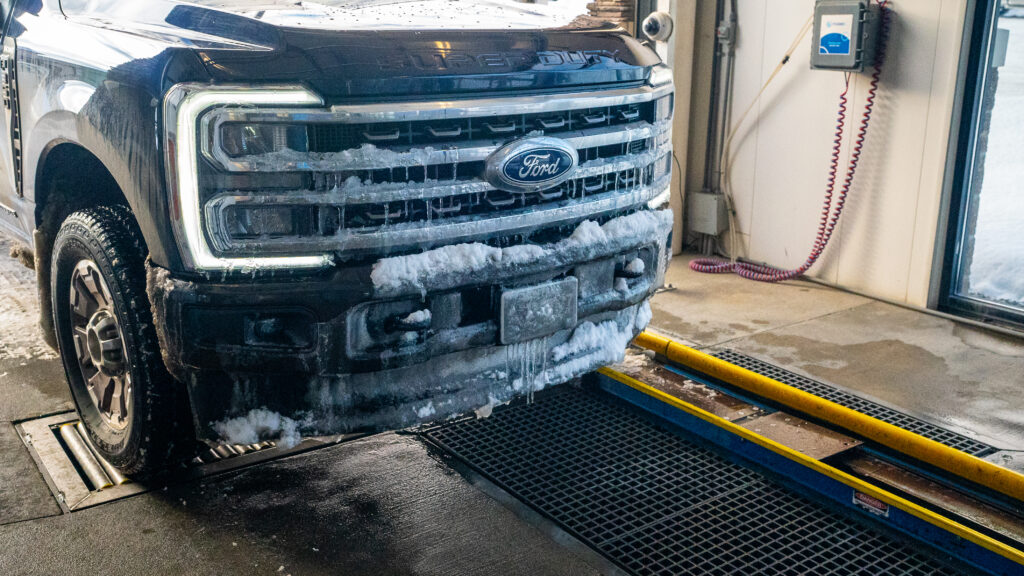
Winter is often the season when grime builds up the fastest. That makes consistency more useful, not less.
Regular washing helps avoid long stretches during which salt and slush accumulate on the car. It also makes each visit faster since buildup never becomes heavy. Groups like AAA advise drivers to conduct winter car washes during milder weather windows, which supports this approach.
The short answer is simple. Most drivers should wash their car every 10 to 14 days in winter. If you often drive on heavily treated, slushy roads, weekly washes usually make more sense.
You may need to wash sooner when:
But there is more to it than that.
If you want a clear answer without guesswork, this guide provides a straightforward explanation. You will learn a simple winter wash schedule, what changes it, and how to keep both the outside and inside of your car cleaner through the season. If you are planning ahead, it also helps to know where to find your nearest car wash, so staying consistent feels easy instead of inconvenient.
For most winter drivers, every 10 to 14 days is a solid baseline. This timing helps remove road salt before it has time to accumulate.
Some drivers need to wash their cars more frequently. Others can stretch the schedule slightly. Winter wash frequency depends on exposure, not the calendar.
Many drivers rely on locations with extensive car wash services, making winter washing simple, even when conditions change from week to week.
Several everyday factors affect how often your car needs attention during winter.
Drivers who want predictable access through the winter often choose to research car wash memberships near them. At Tidal Wave, that option is the Tidal Wave Clean Club®, which supports frequent washing.
Road salt works by lowering the freezing point of water. Once it dissolves, it turns into spray that coats your car as you drive.
That salty moisture clings to metal, seams, and tight spaces. When it stays wet, it increases corrosion over time. The issue is not just how dirty the car looks. It is how long salt is allowed to sit.
Salt buildup does not stop at the paint. It collects underneath the car and in areas that do not dry quickly, which is why winter washing focuses on timely removal.
Some areas of your car collect winter buildup more quickly than others and require extra attention.
If the lower half of your car looks dirty, the underside usually needs cleaning, too.
Many drivers hesitate to wash their car once winter arrives. The usual concern is water freezing in doors, locks, or seals after a wash. In the past, that meant waiting for warmer days or skipping washes altogether.
Modern car washes have changed that.
Today, winter washing is less about finding the perfect temperature and more about removing salt when it shows up. Professional washes are designed to handle cold-weather conditions, including quick drying after the wash.
At Tidal Wave Auto Spa, powerful dryers remove most surface water before you leave the wash. That helps reduce leftover moisture around doors, mirrors, and trim, which is often what causes winter hesitation in the first place.
Here is what that means for winter washing:
There will still be days when extreme cold makes washing less practical. That is normal. The goal is not perfection. The goal is simple. Remove salt when conditions allow, even if the wash is quick. Consistent removal matters more than waiting for ideal weather.
Cold weather makes at-home washing harder for many drivers. Limited space, cold air, and freezing surfaces can be obstacles.
For drivers who want a deeper understanding of how modern systems handle winter conditions, understanding car wash technology explains why coverage and consistency matter.
Use this checklist to keep winter washing easy and consistent:
This trigger-based approach works well as conditions change throughout the season.
Some winter situations call for washing sooner than planned.
In these cases, even a quick rinse helps remove buildup before it sits.
Winter is often the season when grime builds up the fastest. That makes consistency more useful, not less.
Regular washing helps avoid long stretches during which salt and slush accumulate on the car. It also makes each visit faster since buildup never becomes heavy. Groups like AAA advise drivers to conduct winter car washes during milder weather windows, which supports this approach.
Most drivers do well washing every 10 to 14 days, and weekly when exposure is heavy.
Yes. Storms often mean more road treatment, which leads to more salt buildup.
The undercarriage and wheel wells collect the most salt spray.
Light weekly cleaning and regular mat care usually keep winter mess under control.
So, how often should you wash your car in the winter? For most drivers, every 10 to 14 days works well, with weekly washes when salt exposure is heavy. Use road conditions and visible buildup as your guide, not the calendar.
Focus on removing salt from the underside and lower panels. Keep up with small interior cleanups. A steady routine makes winter car care easier and more manageable, even when the weather does not cooperate.