

Keeping car paint shiny year-round comes down to one thing: removing buildup before it has time to dull the surface. Most loss of shine is caused by everyday exposure to dirt, moisture, and sun, as well as seasonal residue that sits on the clear coat. Regular washing helps preserve the gloss your vehicle already has. It does not restore worn paint, but it slows the process that makes it look flat over time.
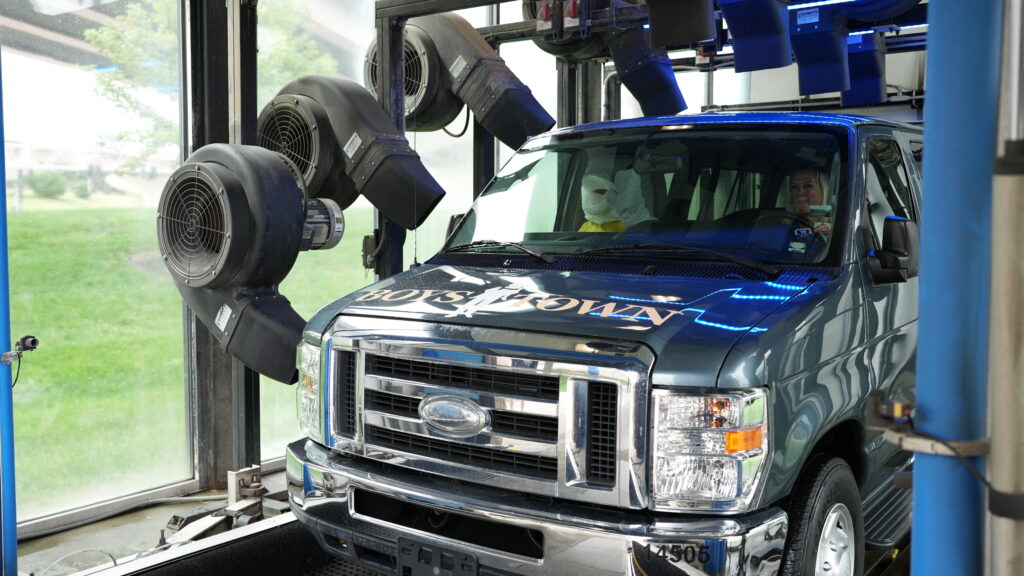
Car paint is covered by a clear protective layer called a clear coat. That layer reflects light, which creates gloss. Over time, exposure to sun, heat, moisture, dust, and traffic film reduces the surface’s cleanliness and reflectivity.
In most cases, shine fades because residue builds up. In other cases, long-term wear slowly breaks down the clear coat itself. Washing helps with buildup. It cannot rebuild the clear coat that has worn away.

When a car looks dull, it is usually one of two things. Either a layer of residue is muting the shine, or the clear coat has begun to wear down. Understanding the difference helps set realistic expectations.
Surface buildup looks like a uniform haze. It often appears on lower panels, around wheel wells, and across the rear of the vehicle. In winter, it can look grey. In spring, it may look dusty or slightly yellow from pollen.
This type of dullness often improves after a thorough wash. That is why understanding how often you should wash your car matters. When residue is removed regularly, the original gloss shows through more clearly.
Clear-coat wear looks different. The surface may appear chalky, patchy, or flat even after cleaning. Reflections may look distorted or muted, no matter how carefully the vehicle is washed.
When the protective layer has worn down, washing alone will not restore lost gloss. At that point, the issue moves beyond routine maintenance. Washing still helps prevent further buildup, but it does not reverse wear that has already occurred.
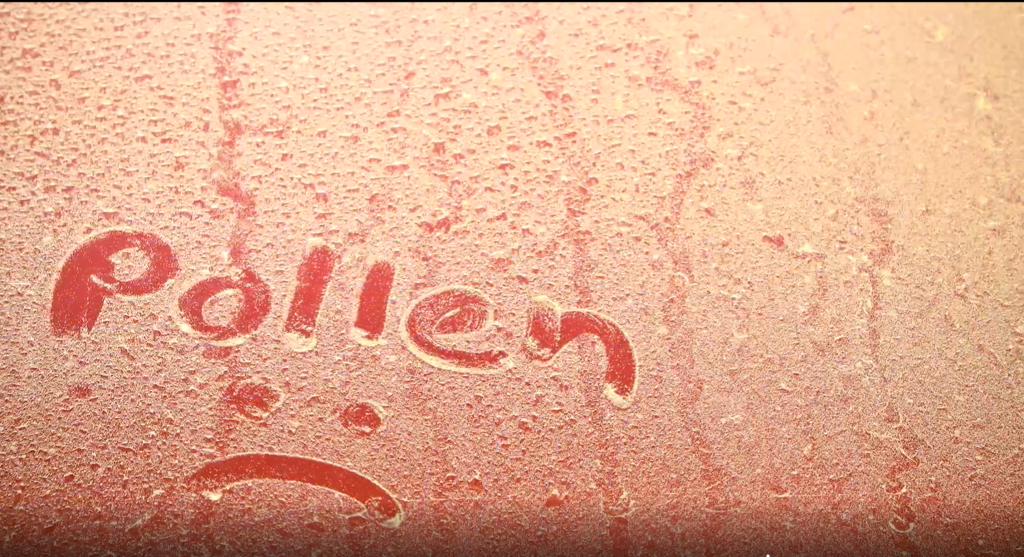
Seasonal exposure plays a major role in how long paint stays glossy. Conditions change throughout the year, and so does the type of residue that collects on the surface.
Sun exposure is one of the biggest long-term factors. UV radiation and heat slowly break down the clear coat, especially on horizontal surfaces like the hood and roof. Vehicles parked outside full-time will typically show faster fading than garage-kept vehicles.
Tree sap, bird droppings, and organic debris can leave spots if they sit too long. These materials can dry and bond to the surface. Prompt washing limits how long they remain in contact with the clear coat.
Pollen can also create a dusty film. When mixed with moisture, it can leave a thin layer that dulls reflections until removed.
Winter creates a different kind of challenge. Road salt and brine are designed to cling to pavement, which means they also cling to vehicles. Spray from traffic coats the lower panels and underbody areas.
Over time, that residue dries into a thin film. It does not always rinse away with rain. The Environmental Protection Agency discusses the corrosive effect of salt and how it persists on roadways and surfaces. That same persistence explains why vehicles often look greyed out in winter, even when roads appear dry.
Regular washing removes this layered buildup before it accumulates.
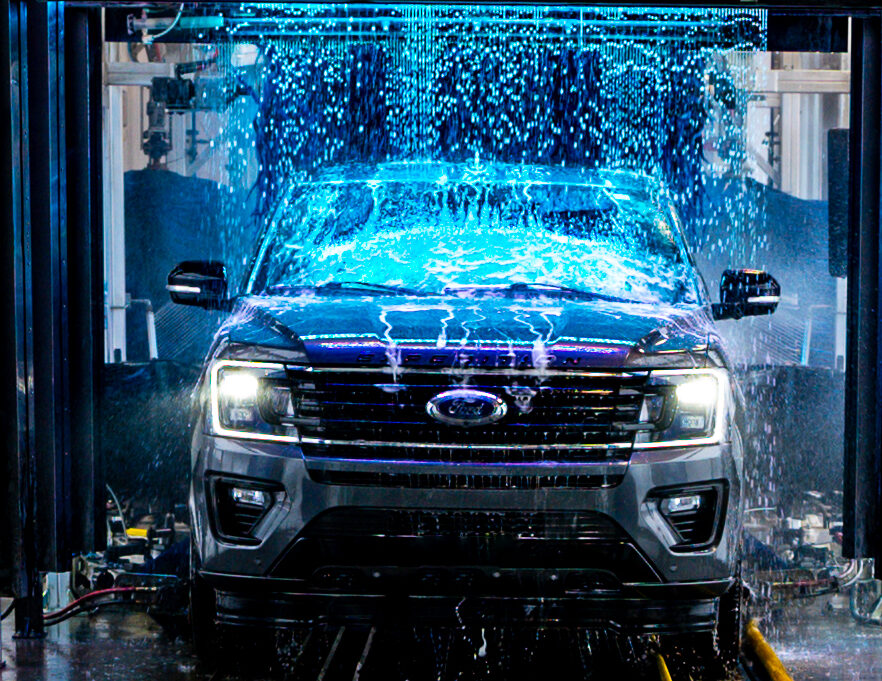
Most drivers do not need complicated paint care plans. They need consistency. Dirt, traffic film, pollen, and salt accumulate week after week. Removing them regularly helps preserve the gloss that is already there.
Tidal Wave Auto Spa® offers extensive car wash services designed for routine maintenance, not occasional deep cleaning. For most drivers, the goal is to keep buildup from sitting too long between washes.
Heavy commuters, outdoor parkers, and drivers in winter climates may wash more often. Drivers with garage-kept vehicles in mild weather may wash less often. For some people, a car wash membership is a good choice because it makes regular visits easier to maintain without overthinking the schedule.
When washing fits naturally into a weekly routine, consistency improves. Many drivers simply choose to find the nearest car wash on their route home or near work. That practical approach keeps maintenance realistic.
A simple routine removes residue before it becomes a layered film. It does not promise a perfect shine in every condition. Weather, sun exposure, and driving habits still play a role. But consistent washing reduces the buildup that most often dulls the surface.
One of the biggest variables in keeping car paint shiny is not just whether you wash, but how consistently you wash over time.
In a recent comparison video, two identical vehicles were washed weekly under similar driving conditions. One vehicle was washed weekly at Tidal Wave Auto Spa® using the Graph-X4 premium finish. The other was washed weekly at a different car wash. Both vehicles were driven on the same routes through city traffic, on highways, in rain, sun, and on dirt roads.
After several weeks, the difference was evaluated through a live “Shine Showdown” where participants viewed both vehicles side by side without knowing which was which. The majority selected the vehicle washed with Graph-X4 as having the brighter finish.
This example shows how routine and finish quality can affect a vehicle’s appearance over time.
For drivers who value appearance, services like Graph-X4 are designed to support that ongoing maintenance mindset. The goal is not to restore worn paint, but to help preserve gloss while the clear coat is still healthy.

There are limits to what washing can accomplish. If paint appears chalky, heavily faded, peeling, or uneven after cleaning, the issue may be deeper than residue. In those cases, polishing or refinishing may be required to improve appearance.
Washing remains useful for maintenance, but it should not be expected to reverse long-term wear. Understanding that difference prevents frustration and unrealistic expectations

Car paint does not lose its shine overnight. It gradually reflects the conditions it is exposed to. Sun, moisture, road grime, and seasonal materials all affect its gloss.
The most practical way to keep car paint shiny year-round is simple. Wash your car regularly to remove buildup before it dulls the surface. For drivers who want help maintaining gloss over time, a premium finish such as our Graph-X4 can support that routine. Adjust frequency based on season and usage, understand the limits of washing, and treat shine as something you preserve through steady care.
Keeping car paint shiny year-round comes down to one thing: removing buildup before it has time to dull the surface. Most loss of shine is caused by everyday exposure to dirt, moisture, and sun, as well as seasonal residue that sits on the clear coat. Regular washing helps preserve the gloss your vehicle already has. It does not restore worn paint, but it slows the process that makes it look flat over time.
Car paint is covered by a clear protective layer called a clear coat. That layer reflects light, which creates gloss. Over time, exposure to sun, heat, moisture, dust, and traffic film reduces the surface’s cleanliness and reflectivity.
In most cases, shine fades because residue builds up. In other cases, long-term wear slowly breaks down the clear coat itself. Washing helps with buildup. It cannot rebuild the clear coat that has worn away.
When a car looks dull, it is usually one of two things. Either a layer of residue is muting the shine, or the clear coat has begun to wear down. Understanding the difference helps set realistic expectations.
Surface buildup looks like a uniform haze. It often appears on lower panels, around wheel wells, and across the rear of the vehicle. In winter, it can look grey. In spring, it may look dusty or slightly yellow from pollen.
This type of dullness often improves after a thorough wash. That is why understanding how often you should wash your car matters. When residue is removed regularly, the original gloss shows through more clearly.
Clear-coat wear looks different. The surface may appear chalky, patchy, or flat even after cleaning. Reflections may look distorted or muted, no matter how carefully the vehicle is washed.
When the protective layer has worn down, washing alone will not restore lost gloss. At that point, the issue moves beyond routine maintenance. Washing still helps prevent further buildup, but it does not reverse wear that has already occurred.
Seasonal exposure plays a major role in how long paint stays glossy. Conditions change throughout the year, and so does the type of residue that collects on the surface.
Sun exposure is one of the biggest long-term factors. UV radiation and heat slowly break down the clear coat, especially on horizontal surfaces like the hood and roof. Vehicles parked outside full-time will typically show faster fading than garage-kept vehicles.
Tree sap, bird droppings, and organic debris can leave spots if they sit too long. These materials can dry and bond to the surface. Prompt washing limits how long they remain in contact with the clear coat.
Pollen can also create a dusty film. When mixed with moisture, it can leave a thin layer that dulls reflections until removed.
Winter creates a different kind of challenge. Road salt and brine are designed to cling to pavement, which means they also cling to vehicles. Spray from traffic coats the lower panels and underbody areas.
Over time, that residue dries into a thin film. It does not always rinse away with rain. The Environmental Protection Agency discusses the corrosive effect of salt and how it persists on roadways and surfaces. That same persistence explains why vehicles often look greyed out in winter, even when roads appear dry.
Regular washing removes this layered buildup before it accumulates.
Most drivers do not need complicated paint care plans. They need consistency. Dirt, traffic film, pollen, and salt accumulate week after week. Removing them regularly helps preserve the gloss that is already there.
Tidal Wave Auto Spa® offers extensive car wash services designed for routine maintenance, not occasional deep cleaning. For most drivers, the goal is to keep buildup from sitting too long between washes.
Heavy commuters, outdoor parkers, and drivers in winter climates may wash more often. Drivers with garage-kept vehicles in mild weather may wash less often. For some people, a car wash membership is a good choice because it makes regular visits easier to maintain without overthinking the schedule.
When washing fits naturally into a weekly routine, consistency improves. Many drivers simply choose to find the nearest car wash on their route home or near work. That practical approach keeps maintenance realistic.
A simple routine removes residue before it becomes a layered film. It does not promise a perfect shine in every condition. Weather, sun exposure, and driving habits still play a role. But consistent washing reduces the buildup that most often dulls the surface.
One of the biggest variables in keeping car paint shiny is not just whether you wash, but how consistently you wash over time.
In a recent comparison video, two identical vehicles were washed weekly under similar driving conditions. One vehicle was washed weekly at Tidal Wave Auto Spa® using the Graph-X4 premium finish. The other was washed weekly at a different car wash. Both vehicles were driven on the same routes through city traffic, on highways, in rain, sun, and on dirt roads.
After several weeks, the difference was evaluated through a live “Shine Showdown” where participants viewed both vehicles side by side without knowing which was which. The majority selected the vehicle washed with Graph-X4 as having the brighter finish.
This example shows how routine and finish quality can affect a vehicle’s appearance over time.
For drivers who value appearance, services like Graph-X4 are designed to support that ongoing maintenance mindset. The goal is not to restore worn paint, but to help preserve gloss while the clear coat is still healthy.
There are limits to what washing can accomplish. If paint appears chalky, heavily faded, peeling, or uneven after cleaning, the issue may be deeper than residue. In those cases, polishing or refinishing may be required to improve appearance.
Washing remains useful for maintenance, but it should not be expected to reverse long-term wear. Understanding that difference prevents frustration and unrealistic expectations
Car paint does not lose its shine overnight. It gradually reflects the conditions it is exposed to. Sun, moisture, road grime, and seasonal materials all affect its gloss.
The most practical way to keep car paint shiny year-round is simple. Wash your car regularly to remove buildup before it dulls the surface. For drivers who want help maintaining gloss over time, a premium finish such as our Graph-X4 can support that routine. Adjust frequency based on season and usage, understand the limits of washing, and treat shine as something you preserve through steady care.