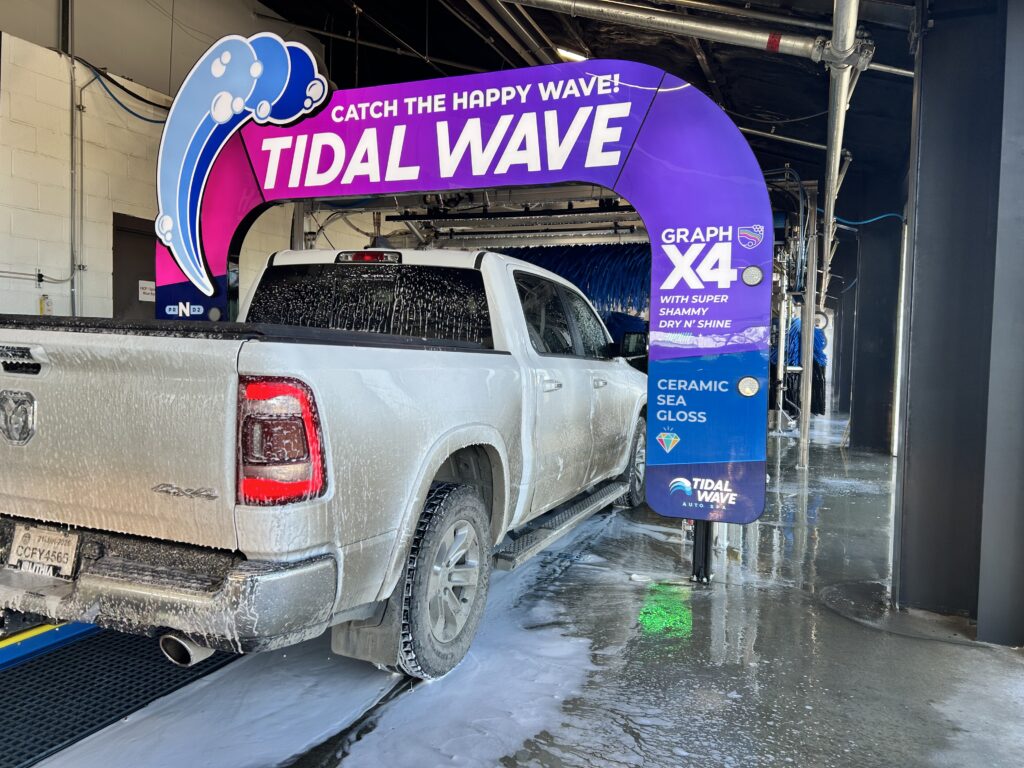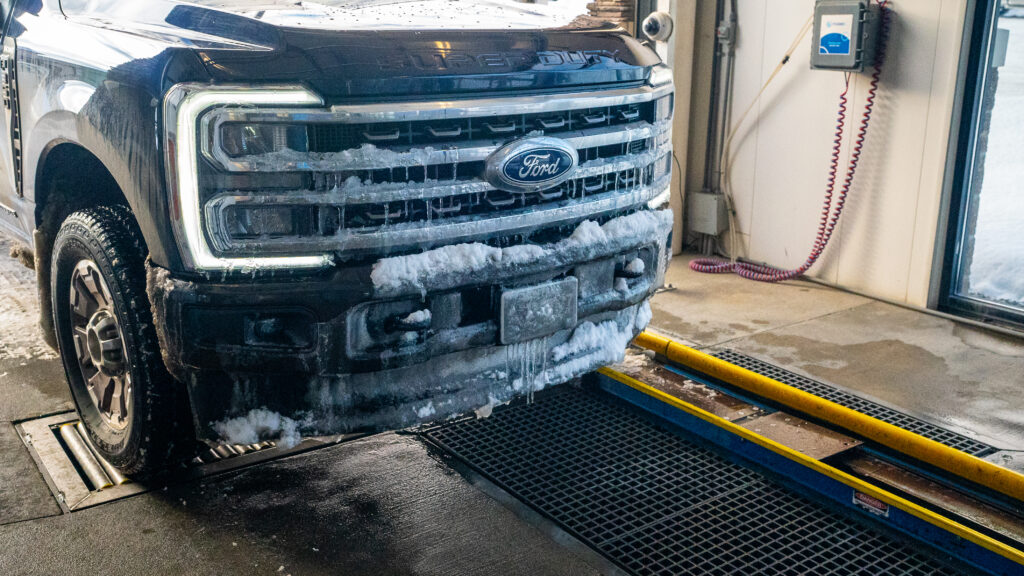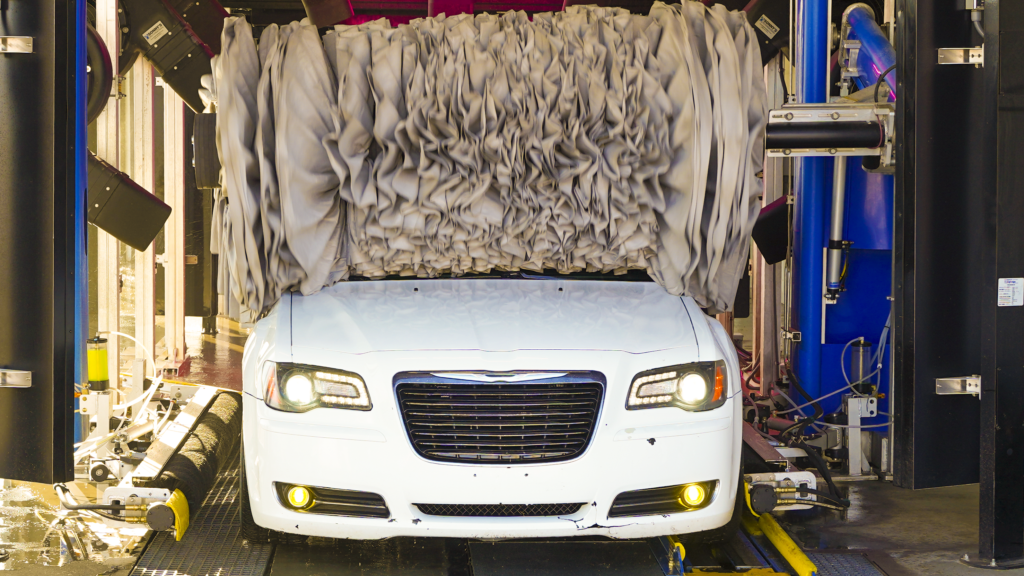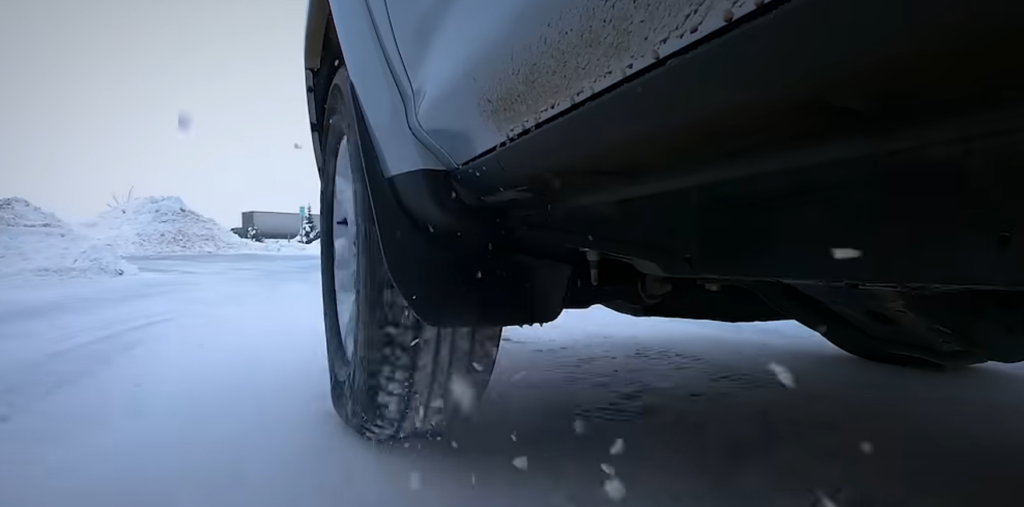
Road film is a thin, stubborn layer of dirt, oils, exhaust residue, and environmental contaminants that bonds to your vehicle as you drive. Unlike loose dirt, road film clings to paint, glass, wheels, and lower panels, which is why it often remains even after a basic rinse. Winter makes road film worse by adding road salt, liquid de-icers, moisture, and slush that help contaminants build up faster and stick more tightly.
Many drivers notice this problem in winter and wonder why their car still looks dull after washing. Even if you regularly visit your nearest car wash during colder months, you may still see haze, streaks, or grime return quickly. That does not mean washing is ineffective. It means winter road film behaves differently from dry season dirt.
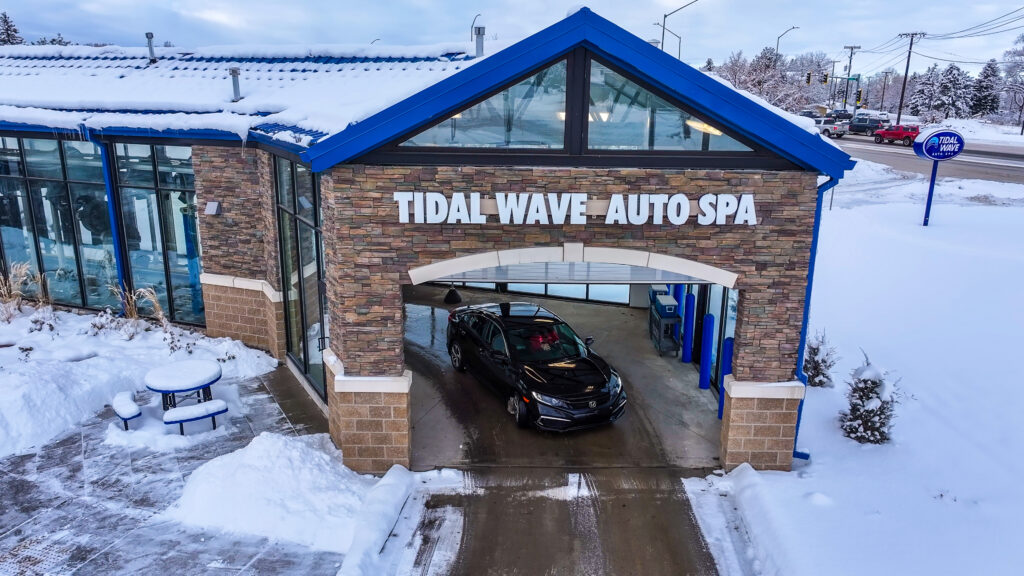
This article explains what road film is, how to recognize it, and why winter conditions make it harder to remove. It also explains how Tidal Wave Auto Spa designs its car wash services to handle winter buildup more effectively, based on real-world driving conditions and seasonal road treatment.
Key takeaways
- Road film is bonded residue, not just surface dirt.
- Winter salt, moisture, and slush speed up buildup.
- Plain water rinsing does not fully remove road film.
- Multi-stage wash processes designed for winter conditions help break it down.