Why Do Cars Get So Dirty in Winter?

Why Do Cars Get So Dirty in Winter?

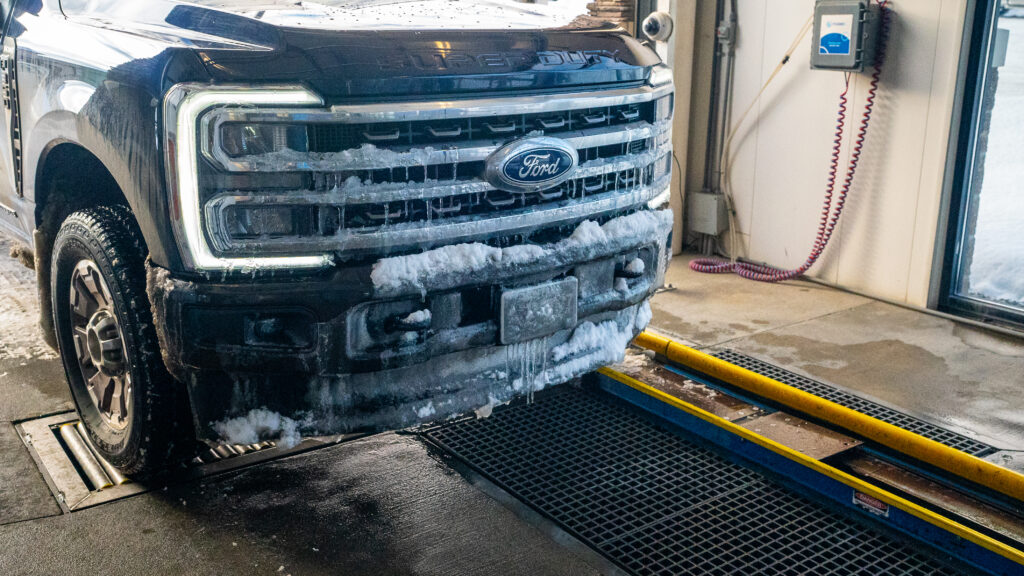
Cars get so dirty in the winter because roads are wet, treated, and constantly re-contaminated. Slush spray, traffic mist, and freeze-thaw cycles keep throwing grime back onto your car, even on clear days. Unlike summer dirt, winter mess does not dry or blow away, so each drive adds another layer.

  • Winter roads are treated with salt and brine that stay active for weeks.
  • Cold air and low sun slow drying, so moisture lingers.
  • Traffic spray coats vehicles repeatedly.
  • Freeze-and-thaw cycles recycle the same mess instead of clearing it.

If it feels like your car never stays clean in winter, you are not doing anything wrong. You’re dealing with conditions that work against clean surfaces.

For many drivers, this leads to searching for the nearest car wash just to keep up with the mess. Others explore various car wash services to find one that fits their winter driving habits. The key is understanding why winter creates this problem in the first place.

Why is winter dirt different from other seasons?

Winter dirt is different because your car is constantly exposed to dirt and slush.

In warmer months, roads dry between storms. Dust settles, then clears. In winter, roads stay wet and treated long after snow stops falling.

  • Roads are treated with salt and liquid brine before, during, and after storms.
  • Cold temperatures slow evaporation, so wet pavement lasts longer.
  • Salt lowers the freezing point, which keeps moisture liquid near freezing.
  • Even clear days can still mean salty, damp roads.

Because exposure never really stops, dirt builds faster and comes back sooner.

Some drivers choose to enroll in a local car wash membership during winter because the problem is ongoing, not occasional. Transportation agencies also confirm that modern road treatment methods rely on salt and anti-icing solutions that remain active on the road surface, which helps explain why winter grime is so persistent.

How do salt and slush end up all over your car?

Salt and slush do not just sit on the road. They get thrown onto your car during normal driving.

How road spray reaches vehicle surfaces

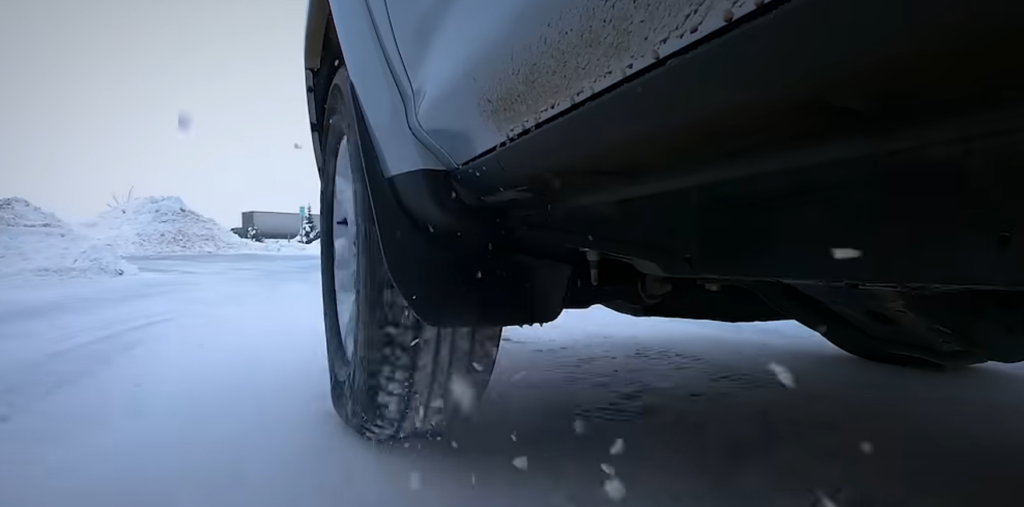
Your tires turn wet winter roads into spray.

  • Rotating tires fling salty water outward and upward.
  • Spray hits wheel wells, lower doors, bumpers, and mirrors first.
  • Higher speeds increase how far the spray travels.
  • The undercarriage gets hit even when you cannot see it.

This constant spray is why it becomes important to understand how often to wash your car in the winter, especially when roads stay wet for long stretches.

Why traffic makes winter grime worse

Other vehicles multiply the mess.

Each car creates its own spray cloud. When traffic is heavy, you’re driving through overlapping spray mist for long periods.

  • Close spacing increases the amount of spray that reaches your car.
  • Stop-and-go traffic keeps vehicles in the spray zone longer.
  • Highway traffic spreads slush farther than city driving.
  • Busy roads reload the air with wet grime repeatedly.

That is why many drivers want to know how often to wash their car once winter sets in. The dirt is not coming from one source. It is coming from everyone on the road.

Why do winter roads stay wet for so long?

Winter roads stay wet because conditions slow drying.

  • Cold pavement reduces evaporation.
  • Low winter sun provides less heat.
  • Salt keeps moisture from freezing solid.
  • Meltwater and runoff keep re-wetting the surface.

Even when it has not snowed for days, the road can still be damp and dirty. That moisture becomes a carrier for salt and grime.

How freeze-thaw cycles keep reusing the same dirt

Freeze-and-thaw cycles do not remove dirt. They reuse it.

During the day, sunlight and warmer air melt snow and packed slush into dirty water. At night, temperatures drop and refreeze what is left behind.

  • Daytime thaw turns old snow into slush.
  • Nighttime freeze locks that mess in place.
  • Each thaw puts old grime back into circulation.
  • Garages can melt buildup that later refreezes outside.

This cycle repeats for weeks in many regions, which is why winter grime feels endless.

Why short winter trips make cars look dirty faster

Short trips make the problem worse.

In winter, many drives are quick errands or short commutes. These trips add exposure without giving your car time to dry.

  • Each trip runs over the same wet, treated roads.
  • Stop-and-go traffic increases spray contact.
  • Cold air prevents quick drying between drives.
  • Dirt stacks on surfaces that are already damp.

The result is visible buildup after just a few days.

Why winter grime looks darker and heavier

Winter dirt often looks worse than summer dirt.

Moisture holds onto particles that would otherwise blow away or fall off.

  • Wet salt residue traps brake dust and tire particles.
  • Cold air can keep exhaust residue closer to the road.
  • Melting snow releases dirt stored in snowbanks.
  • Damp grime appears thicker and darker on the paint.

This is why winter buildup feels heavier and more stubborn, even when the amount of driving has not changed.

Why do cars look dirty again so soon after washing?

Many drivers wash their car, only to see it look dirty after a day or two.

This happens because the conditions that caused the mess remain.

  • Roads may still be wet and treated after a wash.
  • The drive home can reintroduce spray right away.
  • Cold weather slows drying, so streaks show faster.
  • Even short trips can re-coat lower panels quickly.

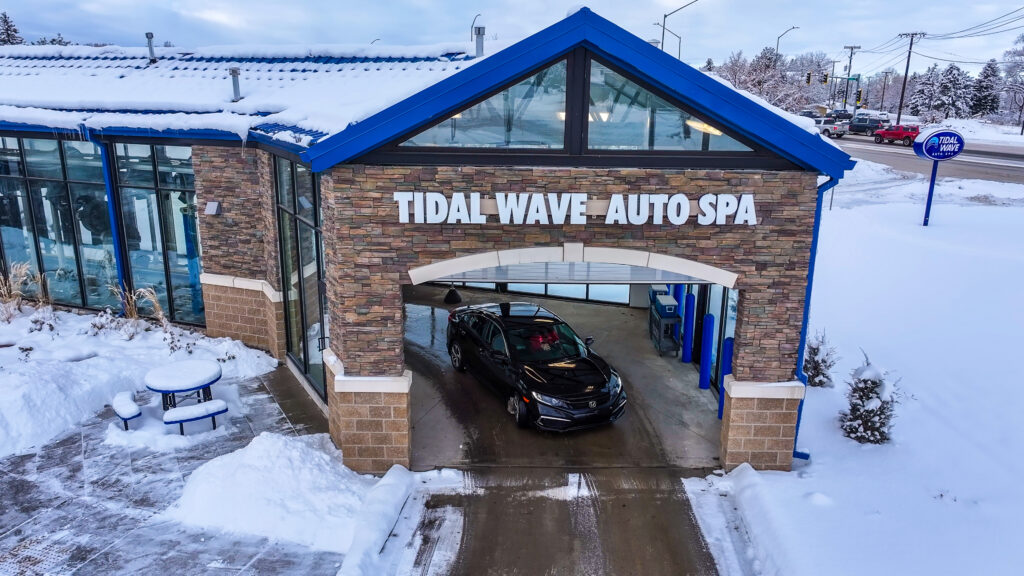
At Tidal Wave Auto Spa, winter washes are designed with this reality in mind. A winter wash still does important work, even if the results do not last as long as they do in warmer months. The goal in winter is not to keep a car spotless between washes but to manage buildup before it accumulates.

Regular winter washing helps in several ways, including:

  • It removes salt and grime before layers stack on top of each other.
  • It reduces buildup in wheel wells and the undercarriage, where winter mess collects most.
  • It helps keep surfaces from staying coated with damp residue for long periods.
  • It makes future cleaning easier by preventing thick seasonal accumulation.

When a car looks dirty again quickly, it does not mean the wash failed. It means winter roads are doing what we expect them to do. Washing still plays a key role in controlling buildup, even when winter does not give clean results much time to show.

How modern car wash systems help manage winter buildup

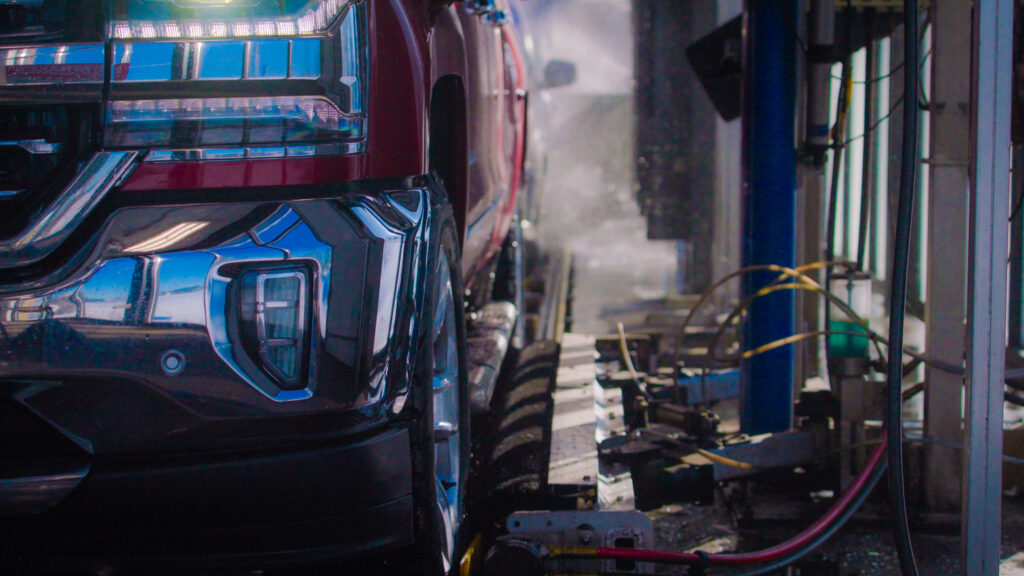
Because winter grime is constant, Tidal Wave Auto Spa designs its wash systems to handle repeated cold-weather exposure, informed by operating in winter conditions across a wide range of regions and road treatments.

  • Undercarriage rinses focus on areas where salt collects most.
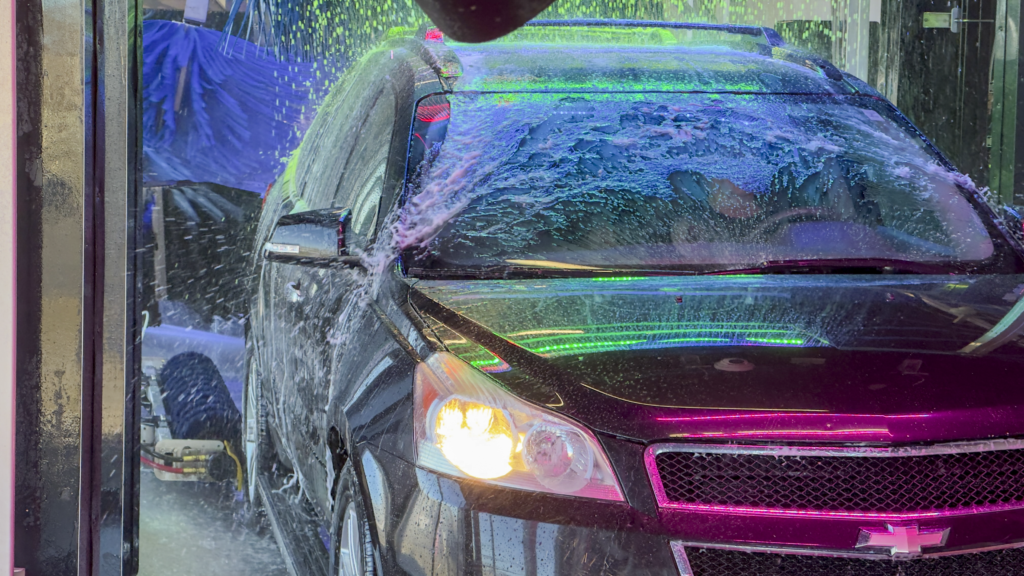
  • Pre-rinses help loosen surface grime before it spreads further.
  • Consistent cleaning helps prevent thick seasonal buildup.
  • Fast, predictable visits make winter care easier to maintain.

The goal is not perfection after one wash but staying ahead of buildup as winter conditions repeat, which reflects years of operating in environments where salt, moisture, and traffic exposure are part of daily driving.

  • Why Do Cars Get So Dirty in Winter?

    Cars get so dirty in the winter because roads are wet, treated, and constantly re-contaminated. Slush spray, traffic mist, and freeze-thaw cycles keep throwing grime back onto your car, even on clear days. Unlike summer dirt, winter mess does not dry or blow away, so each drive adds another layer.

    • Winter roads are treated with salt and brine that stay active for weeks.
    • Cold air and low sun slow drying, so moisture lingers.
    • Traffic spray coats vehicles repeatedly.
    • Freeze-and-thaw cycles recycle the same mess instead of clearing it.

    If it feels like your car never stays clean in winter, you are not doing anything wrong. You’re dealing with conditions that work against clean surfaces.

    For many drivers, this leads to searching for the nearest car wash just to keep up with the mess. Others explore various car wash services to find one that fits their winter driving habits. The key is understanding why winter creates this problem in the first place.

  • Why is winter dirt different from other seasons?

    Winter dirt is different because your car is constantly exposed to dirt and slush.

    In warmer months, roads dry between storms. Dust settles, then clears. In winter, roads stay wet and treated long after snow stops falling.

    • Roads are treated with salt and liquid brine before, during, and after storms.
    • Cold temperatures slow evaporation, so wet pavement lasts longer.
    • Salt lowers the freezing point, which keeps moisture liquid near freezing.
    • Even clear days can still mean salty, damp roads.

    Because exposure never really stops, dirt builds faster and comes back sooner.

    Some drivers choose to enroll in a local car wash membership during winter because the problem is ongoing, not occasional. Transportation agencies also confirm that modern road treatment methods rely on salt and anti-icing solutions that remain active on the road surface, which helps explain why winter grime is so persistent.

  • How do salt and slush end up all over your car?

    Salt and slush do not just sit on the road. They get thrown onto your car during normal driving.

    How road spray reaches vehicle surfaces

    Your tires turn wet winter roads into spray.

    • Rotating tires fling salty water outward and upward.
    • Spray hits wheel wells, lower doors, bumpers, and mirrors first.
    • Higher speeds increase how far the spray travels.
    • The undercarriage gets hit even when you cannot see it.

    This constant spray is why it becomes important to understand how often to wash your car in the winter, especially when roads stay wet for long stretches.

  • Why traffic makes winter grime worse

    Other vehicles multiply the mess.

    Each car creates its own spray cloud. When traffic is heavy, you’re driving through overlapping spray mist for long periods.

    • Close spacing increases the amount of spray that reaches your car.
    • Stop-and-go traffic keeps vehicles in the spray zone longer.
    • Highway traffic spreads slush farther than city driving.
    • Busy roads reload the air with wet grime repeatedly.

    That is why many drivers want to know how often to wash their car once winter sets in. The dirt is not coming from one source. It is coming from everyone on the road.

  • Why do winter roads stay wet for so long?

    Winter roads stay wet because conditions slow drying.

    • Cold pavement reduces evaporation.
    • Low winter sun provides less heat.
    • Salt keeps moisture from freezing solid.
    • Meltwater and runoff keep re-wetting the surface.

    Even when it has not snowed for days, the road can still be damp and dirty. That moisture becomes a carrier for salt and grime.

  • How freeze-thaw cycles keep reusing the same dirt

    Freeze-and-thaw cycles do not remove dirt. They reuse it.

    During the day, sunlight and warmer air melt snow and packed slush into dirty water. At night, temperatures drop and refreeze what is left behind.

    • Daytime thaw turns old snow into slush.
    • Nighttime freeze locks that mess in place.
    • Each thaw puts old grime back into circulation.
    • Garages can melt buildup that later refreezes outside.

    This cycle repeats for weeks in many regions, which is why winter grime feels endless.

  • Why short winter trips make cars look dirty faster

    Short trips make the problem worse.

    In winter, many drives are quick errands or short commutes. These trips add exposure without giving your car time to dry.

    • Each trip runs over the same wet, treated roads.
    • Stop-and-go traffic increases spray contact.
    • Cold air prevents quick drying between drives.
    • Dirt stacks on surfaces that are already damp.

    The result is visible buildup after just a few days.

  • Why winter grime looks darker and heavier

    Winter dirt often looks worse than summer dirt.

    Moisture holds onto particles that would otherwise blow away or fall off.

    • Wet salt residue traps brake dust and tire particles.
    • Cold air can keep exhaust residue closer to the road.
    • Melting snow releases dirt stored in snowbanks.
    • Damp grime appears thicker and darker on the paint.

    This is why winter buildup feels heavier and more stubborn, even when the amount of driving has not changed.

  • Why do cars look dirty again so soon after washing?

    Many drivers wash their car, only to see it look dirty after a day or two.

    This happens because the conditions that caused the mess remain.

    • Roads may still be wet and treated after a wash.
    • The drive home can reintroduce spray right away.
    • Cold weather slows drying, so streaks show faster.
    • Even short trips can re-coat lower panels quickly.

    At Tidal Wave Auto Spa, winter washes are designed with this reality in mind. A winter wash still does important work, even if the results do not last as long as they do in warmer months. The goal in winter is not to keep a car spotless between washes but to manage buildup before it accumulates.

    Regular winter washing helps in several ways, including:

    • It removes salt and grime before layers stack on top of each other.
    • It reduces buildup in wheel wells and the undercarriage, where winter mess collects most.
    • It helps keep surfaces from staying coated with damp residue for long periods.
    • It makes future cleaning easier by preventing thick seasonal accumulation.

    When a car looks dirty again quickly, it does not mean the wash failed. It means winter roads are doing what we expect them to do. Washing still plays a key role in controlling buildup, even when winter does not give clean results much time to show.
  • How modern car wash systems help manage winter buildup

    Because winter grime is constant, Tidal Wave Auto Spa designs its wash systems to handle repeated cold-weather exposure, informed by operating in winter conditions across a wide range of regions and road treatments.

    • Undercarriage rinses focus on areas where salt collects most.
    • Pre-rinses help loosen surface grime before it spreads further.
    • Consistent cleaning helps prevent thick seasonal buildup.
    • Fast, predictable visits make winter care easier to maintain.

    The goal is not perfection after one wash but staying ahead of buildup as winter conditions repeat, which reflects years of operating in environments where salt, moisture, and traffic exposure are part of daily driving.

Road salt and brine stay on pavement long after snowfall ends. Traffic spray keeps throwing that residue onto vehicles.

Yes. Melting snow releases salt and debris into slush, which spreads more easily than dry snow.

Tire spray hits the lower panels, wheel wells, and undercarriage first. These areas see the most contact with slush.

Wheel wells sit directly behind rotating tires, which throw salty water outward with each rotation.

The next drive often involves wet, treated roads. New spray can coat your car almost immediately.

If you are also thinking about broader seasonal prep, resources on winterizing your car can help you plan for cold-weather driving beyond cleanliness.

Winter is relentless, not your car care

Winter dirt is driven by the environment, not neglect. Salt, slush, traffic, and temperature swings keep re-coating your car again and again. Once you understand why winter creates so much mess, it becomes easier to set realistic expectations and decide how you want to manage car care throughout the season.

Winter will not let up. The best approach is understanding the conditions and responding in a way that fits how you drive.